Fads and technologies Transforming the Landscape of Aluminum Foundry Operations
The aluminum foundry field is going through considerable modifications as a result of technological advancements. Automation, artificial intelligence, and sustainable practices go to the forefront of this makeover. These technologies guarantee to boost performance, maximize manufacturing processes, and lower environmental influence. As these trends remain to evolve, they raise vital inquiries regarding the future of aluminum production and its function in different industries. What ramifications might these adjustments hold for the marketplace and its stakeholders?
Advanced Automation in Aluminum Foundries
As the need for efficient and top notch aluminum items proceeds to rise, numerous foundries are progressively taking on sophisticated automation technologies. aluminum casting company. These advancements enhance different procedures, improving performance and lowering labor expenses. Robot systems, for instance, are utilized for jobs such as mold handling, putting, and finishing, making sure uniformity and accuracy
Automated high quality control systems are also ending up being usual, using sensors and video cameras to detect problems in real-time, therefore decreasing waste and rework. In addition, the combination of programmable logic controllers (PLCs) permits far better monitoring and control of assembly line, helping with quicker adjustments in action to changing demands.
Additionally, the usage of automated directed automobiles (AGVs) maximizes product transport within the foundry, further improving operational effectiveness. Through these advancements, aluminum foundries are not only meeting market demands however likewise placing themselves as leaders in lasting production methods.
The Role of Artificial Intelligence in Production Optimization
Advanced automation innovations have set the phase for the combination of fabricated knowledge (AI) in aluminum foundries, considerably boosting manufacturing optimization. AI systems copyrightine large amounts of data created during the manufacturing process, supplying understandings that cause improved performance and reduced waste. These systems can recognize patterns and fads that human operators might forget, making it possible for anticipating maintenance and positive decision-making.
Moreover, AI formulas enhance casting processes by readjusting criteria in real-time, making sure the best outcome while lessening defects. The execution of equipment learning in top quality control procedures additionally boosts precision, as AI can quickly analyze item specifications against established requirements.
Ultimately, the adoption of AI in aluminum foundries not just simplifies procedures however additionally equips workforce capabilities, allowing for a much more active and responsive production atmosphere. By harnessing these advanced innovations, foundries can attain significant gains in performance and operational excellence.
Sustainable Practices and Their Effect on Environmental Footprint
How can aluminum foundries properly decrease their environmental impact while keeping productivity? One key approach is the fostering of sustainable practices, which include reusing scrap aluminum to minimize waste and conserve power. By using closed-loop systems, foundries can substantially decrease their dependence on virgin materials, thereby lowering carbon exhausts connected with extraction and handling.
Executing energy-efficient innovations, such as advanced melting heating systems and heat healing systems, can substantially reduce power intake. Moving to eco-friendly energy resources further boosts sustainability, enabling foundries to run with a reduced ecological influence.

Smart Manufacturing Technologies Enhancing Effectiveness
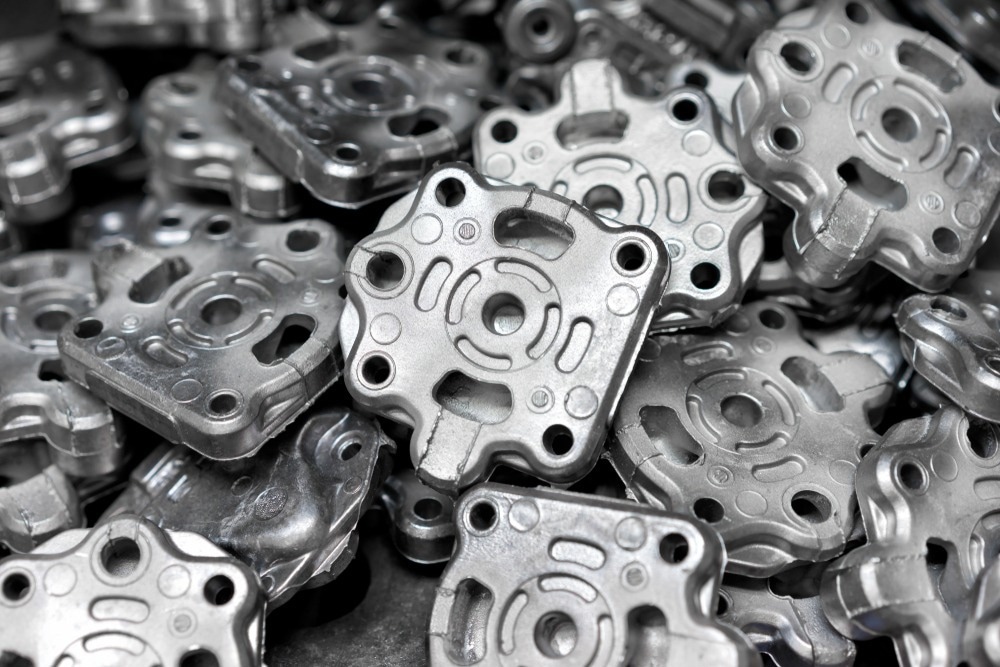
Robotic systems improve repetitive his response jobs, ensuring consistent top quality while releasing human employees to concentrate on even more facility responsibilities. In addition, IoT connection promotes seamless communication throughout the assembly line, enhancing coordination and responsiveness to market needs. Therefore, aluminum foundries can attain higher throughput and improved quality control, placing themselves competitively in a rapidly developing sector landscape. The fostering of these smart innovations symbolizes a transformative shift in the direction of effectiveness and technology in foundry procedures.
The Future of Lightweight Aluminum Products in Different Industries
As markets progressively focus on sustainability and performance, the demand for lightweight aluminum products is forecasted to grow significantly. This change is particularly evident in markets such as auto, aerospace, and building, where reducing weight straight adds to improved fuel efficiency and lower emissions. Suppliers are innovating in aluminum alloys and manufacture methods to generate elements that are not just lighter but likewise more powerful and a lot more resilient.
The auto market, for instance, is welcoming aluminum to fulfill rigorous gas economic climate requirements while maintaining safety and efficiency. In a similar way, aerospace companies are leveraging light-weight aluminum to boost aircraft effectiveness. In building, aluminum's flexibility permits innovative layouts that decrease product usage without jeopardizing architectural integrity.
As technology advancements, consisting of the assimilation of wise manufacturing and reusing procedures, you can try this out the future of lightweight aluminum items appears intense, encouraging to support an extra sustainable and reliable industrial landscape.
Often Asked Inquiries
What Are the Key Obstacles Dealing With Aluminum Foundries Today?
Aluminum foundries today face challenges such as rising power expenses, ecological guidelines, labor lacks, competitors from sophisticated production technologies, and the need for boosted sustainability techniques to fulfill market demands and customer expectations efficiently.
Just How Does Aluminum Recycling Impact Foundry Procedures?
Aluminum reusing significantly influences foundry operations by minimizing raw product prices, promoting sustainability, and enhancing manufacturing effectiveness. It enables foundries to lessen waste while fulfilling enhancing need for environment-friendly methods in the aluminum industry.
What Certifications Are Very Important for Aluminum Foundries?
ISO 9001 for top quality administration, ISO 14001 for environmental management, and AS9100 for aerospace standards are vital qualifications for aluminum foundries. These accreditations improve functional performance, assurance item quality, and advertise sustainable practices within the sector.
Just How Do Labor Expenses Affect Aluminum Foundry Success?
Labor prices considerably affect aluminum foundry success, as greater salaries can minimize margins while efficient labor management can improve productivity. Balancing these factors is important for preserving competitiveness and monetary health and wellness in the market.
What Are Usual Defects in Aluminum Castings and Their Reasons?
Usual defects in aluminum spreadings include shrinkage, porosity, and surface imperfections. These issues commonly develop from incorrect melting temperatures, poor mold and mildew layout, and contamination throughout the spreading process, inevitably affecting the top quality and performance of the end product.
Advanced automation technologies have actually set the stage for the combination of artificial knowledge (AI) in aluminum foundries, substantially improving production optimization. Casting see here now Foundry. Just how can aluminum foundries efficiently lower their environmental impact while preserving performance? While aluminum foundries encounter increasing demands for productivity and effectiveness, the combination of smart production innovations provides an engaging option. Aluminum recycling considerably influences foundry procedures by decreasing raw material costs, advertising sustainability, and enhancing production efficiency. Labor expenses significantly impact aluminum foundry productivity, as higher wages can lower margins while efficient labor administration can improve efficiency